Asghar Kafshchian, Mahboubeh pahlevannoudeh, tarannom taghavi
Reflection of changing cultural patterns in urban art
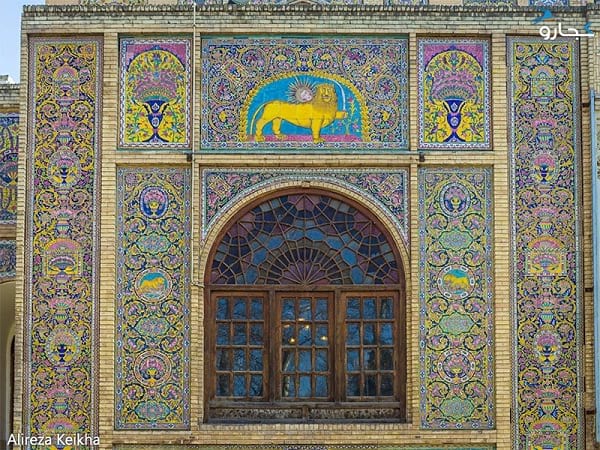
"Case study: Qajar school murals"
Abstract
Changes in the cultural patterns of Iranian history have brought about many changes in the relationship between art and the art community. In the meantime, urban areas, as a basis for recording and expressing cultural ideologies, show us objective examples of changing patterns.
The purpose of this study is to study the dominant patterns and discourse of the Qajar school according to how it is reflected in urban murals, as an art related to the fields of visual arts, architecture and social sciences. For this purpose, the important developments of this period, which are the basis for the formation and rupture of its dominant discourse, are examined according to the visual examples in the art of public space of the city.
Studies show that mural painting of this period, as an urban art influenced and influencing the society, builds its visual patterns based on the traditions of the society and the dominant way of thinking and worldview of this period. If the cultural patterns of a period do not find a basis for expression in the urban art of that period, these patterns will appear as a background for expression in the next period.
Keywords: cultural patterns, urban art, murals, tradition, modernity